PrairieLux Pest Elimination provides comprehensive pest control service in Columbus to halt structural degradation, eliminate sanitary risks, and restore domestic privacy. Property owners managing historic timber framing in German Village or split-level foundations near Whetstone Park of Roses encounter distinct seasonal biological pressures that demand specialized architectural exclusion.

Pest control service in Columbus is an architectural remediation and biological management discipline that inspects, eliminates, and structurally excludes target pest populations from residential and commercial structures across Franklin County.
Every service reflects the same meticulous attention to detail, whether it's a single job or a larger pest control service project across Columbus.
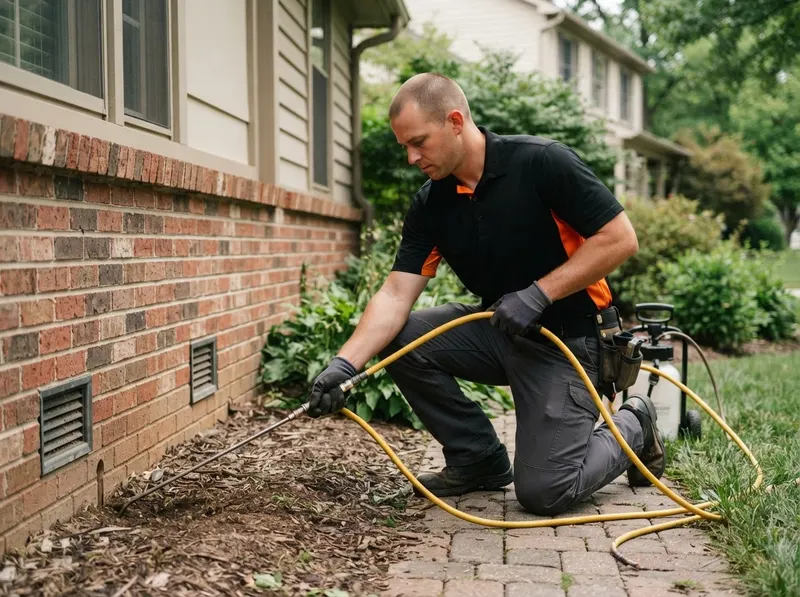
Subterranean termites (Reticulitermes flavipes) exploit damp sill plates, brick ledges, and subterranean foundation footings throughout central Ohio. Our intervention applies non-repellent liquid barrier treatments and precision baiting matrixes complying with structural guidelines established by the Ohio Department of Agriculture to stop cellulose consumption and secure timber framing integrity. Technicians utilize non-destructive moisture meters, acoustic sensors, and directional optical borescopes to chart hidden foraging galleries within crawlspace joists and load-bearing band boards. Chemical applications involve targeted trenching along exterior foundation margins down to 4 feet of depth or the top of the footing, saturating backfill soil with long-lasting termiticides that transfer systematically among nest workers. For homes built over slab foundations, precision drilling through interior expansion joints creates continuous subterranean containment zones without staining stone or damaging hardwood flooring surfaces. Ongoing surveillance relies on tamper-resistant exterior monitoring stations inspected quarterly to identify regional termite movement before worker castes bridge subterranean soil barriers and reach structural timbers.
Get a quote →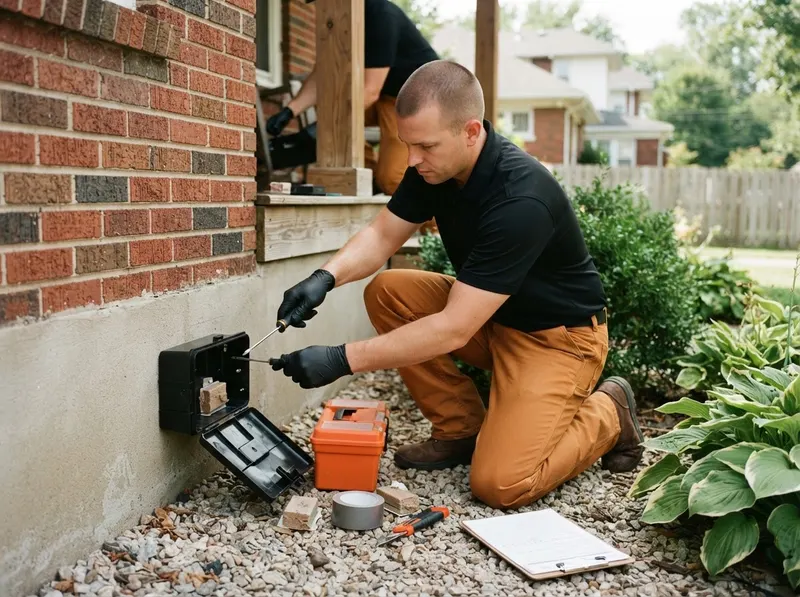
Norway rats and white-footed mice compromise fiberglass insulation, chew wiring harnesses, and deposit pathogenic particulates in quiet structural voids. We implement heavy-gauge hardware cloth exclusions, copper mesh backer seals, and clean mechanical trapping adhering to Centers for Disease Control and Prevention clearance protocols. The remediation sequence begins with high-intensity infrared tracking to identify grease rub marks, urine deposits, and entry routes around basement window headers, utility pipe penetrations, and stone foundation gaps. Once entry apertures exceeding 0.25 inches are sealed with galvanised materials that withstand aggressive gnawing, interior populations are systematically extracted using covered mechanical traps placed along active travel runs. Trapping mechanisms avoid broadcast rodenticide baits inside structural walls, preventing animal expiration within closed insulation spaces and eliminating associated odors or fly breeding cycles. Technicians subsequently vacuum droppings with HEPA-rated filtration equipment that arrests microscopic allergens, neutralizing contaminated crawlspaces and attics using hospital-grade bio-sanitizing mists to protect domestic air distribution networks.
Get a quote →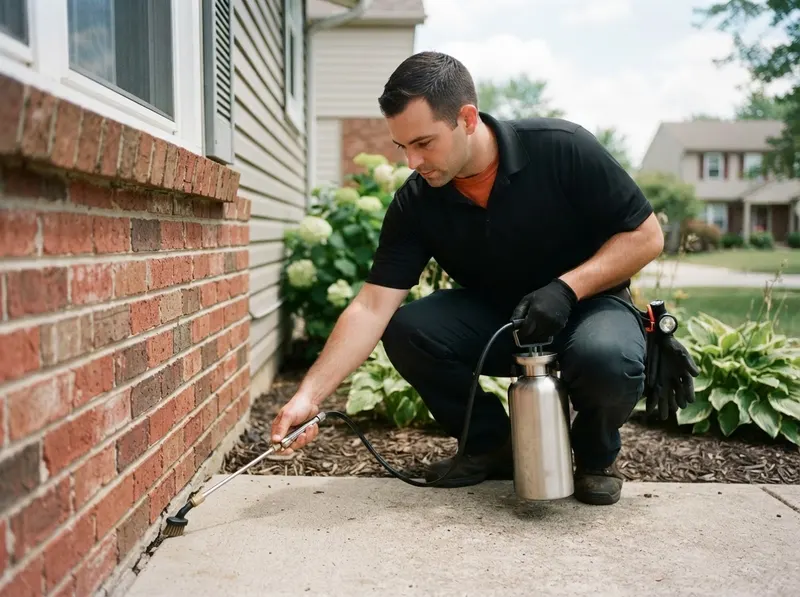
Odorous house ants and wood-boring carpenter ants establish complex satellite colonies across exterior soffits, wall cavities, and wet plumbing chases. We deploy species-specific non-repellent transfer agents and low-impact baits that worker ants carry directly into the central brood chamber, terminating the queen without indoor broadcast spraying. Carpenter ant interventions incorporate localized injection of micro-encapsulated drying dusts directly into hollow wall cavities, window aprons, and compromised roof decking where moisture damage creates favorable nesting conditions. Technicians identify moisture sources such as leaking flashing or plumbing joints, guiding necessary structural corrections that deprive worker ants of required water sources. Odorous house ant populations receive targeted carbohydrate and protein matrices delivered in enclosed bait stations, preventing accidental pet contact while exploiting the social feeding habits of the colony. Exterior perimeter treatments create continuous protective curtains along foundation perimeters, window lintels, and utility entrances, denying external foraging columns access to the interior envelope throughout seasonal temperature shifts.
Get a quote →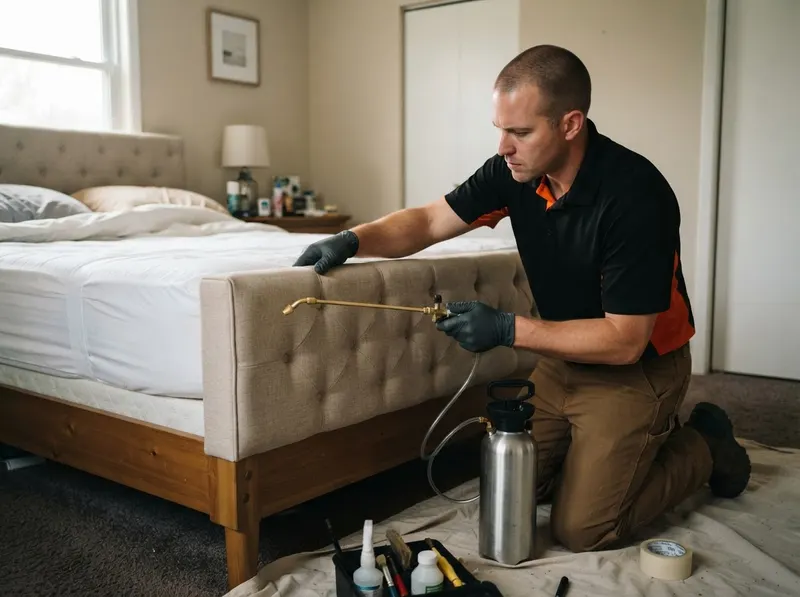
Cimex lectularius infestations disrupt sleep, inflict psychological strain, and harbor within fabric folds, mattress tufts, and trim molding. PrairieLux Pest Elimination applies lethal targeted thermal treatments paired with micro-particle desiccant dusts, strictly aligning with technical standards outlined by the United States Environmental Protection Agency . The thermal process employs high-output mobile convective heaters that elevate structural temperatures between 120 and 135 degrees Fahrenheit, sustaining lethal levels across wall voids, baseboards, and upholstered furnishings for multiple hours. This continuous heat penetration coagulates cellular proteins across all biological stages, including microscopic eggs, crawling nymphs, and reproductive adults, eliminating pesticide-resistant strains. Following thermal eradication, technicians treat interior wall hollows, electrical outlet frames, and door perimeter casings with pharmaceutical-grade amorphous silica gel. This physical desiccant adheres to the lipid layer of any wandering insects, causing rapid dehydration and creating non-toxic residual defense that remains active for months without off-gassing into living quarters.
Get a quote →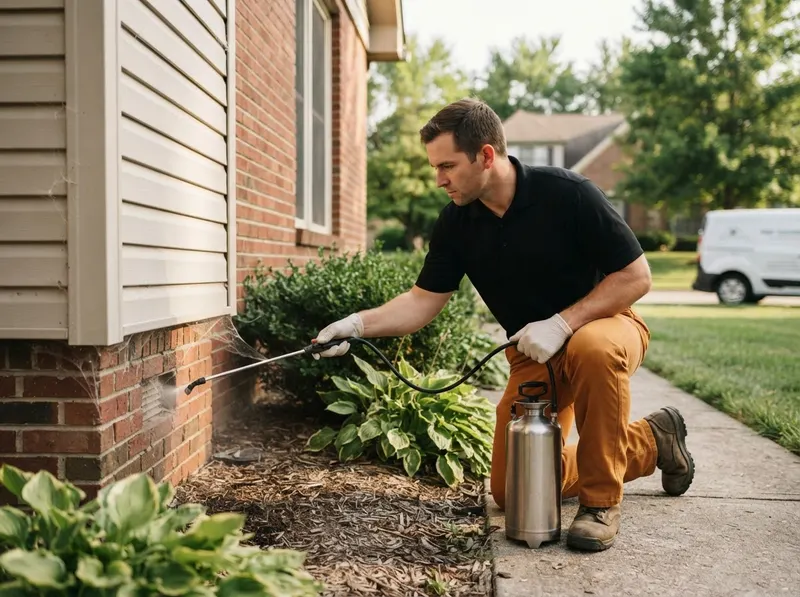
Yellow sac spiders, cellar spiders, and wolf spiders establish web networks in humid crawlspaces, unfinished basements, and recessed window wells. Our technicians de-web critical structural junctions, apply micro-encapsulated perimeter barriers, and seal ground-level ventilation gaps to reduce the secondary insect populations that attract arachnids. Structural inspections pinpoint environmental moisture corridors, such as poorly graded exterior soil and non-functioning sump wells, which promote humidity levels preferred by peridomestic spiders and their prey. Specialized extension equipment physically removes existing egg sacs and webbing from high eaves, soffit returns, and floor joists, disrupting biological life cycles before newly emerged spiderlings disperse throughout living areas. Targeted exterior barrier bands are applied around building foundations, basement escape windows, and door sills using micro-encapsulated formulations that bond to porous concrete, brick, and limestone surfaces. Interior applications focus purely on non-chemical adhesive monitoring boards placed discreetly behind furniture and utility units, tracking natural migration paths without broadcasting volatile organic chemicals into bedroom air.
Get a quote →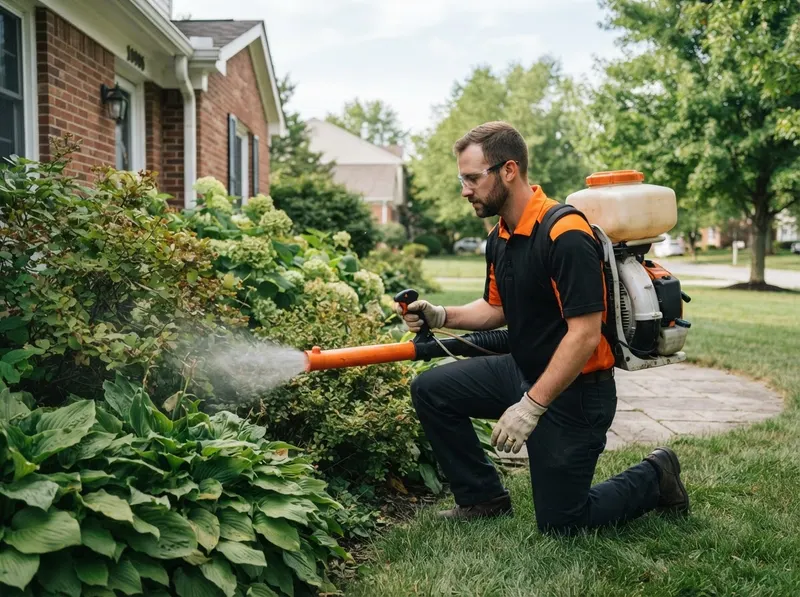
Aedes and Culex mosquito species breed rapidly within standing water traps, clogged rain gutters, and shaded shrub zones near residential waterways. We apply automated, targeted botanical mist barriers and organic larvicide pucks approved under EPA mosquito control regulations to protect private courtyards throughout the humid summer months. The treatment protocol commences with a thorough hydraulic audit of the property grounds, identifying hidden water reservoirs in downspout terminations, plant drainage saucers, and dense groundcover foliage. Standing water reserves that cannot be drained are treated using natural Bacillus thuringiensis israelensis (BTI) microbial larvicides, terminating developing mosquito larvae before they pupate into flying adults. Exterior resting harborage zones, including the undersides of broadleaf shrubs, perimeter cedar fences, and covered patio overhangs, are treated with fine-droplet micro-sprays derived from botanical pyrethrins. These targeted applications bond to foliage undersides where mosquitoes rest during daytime heat, delivering continuous multi-week population suppression without drifting into nearby vegetable gardens or pollinator corridors.
Get a quote →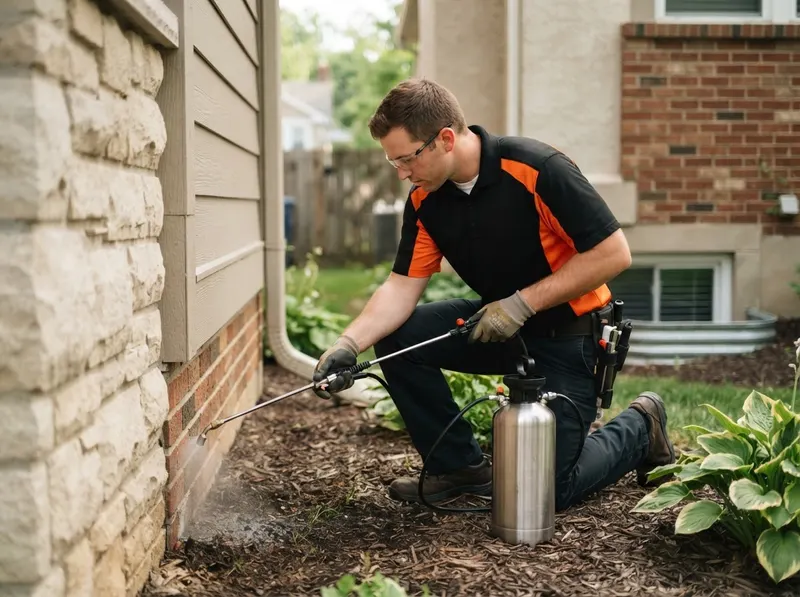
While arachnid species like striped bark scorpions are non-native to northern zones, accidental domestic transports occur via interstate supply chains, construction timbers, and potted foliage. PrairieLux Pest Elimination conducts blacklight UV inspections, perimeter structural sealing, and localized mechanical extractions to eliminate localized hitchhiker populations safely. Technicians operate high-intensity ultraviolet illumination tools across lower foundation lines, crawlspaces, and interior utility chases, taking advantage of the natural fluorescence of scorpion exoskeletons to detect hidden specimens rapidly. Structural barriers are reinforced by sealing exterior threshold gaps with heavy-duty silicone sealants, repairing torn crawlspace access door seals, and installing fine-mesh sweeps beneath exterior doors. Low-toxicity contact formulations and desiccating dusts are applied within concealed utility chases and behind drywall access panels where scorpions seek refuge in warm, dark cavities. Follow-up diagnostic sweeps verify total population termination, ensuring these sporadic hitchhikers do not establish breeding colonies within isolated climate-controlled crawlspaces.
Get a quote →German cockroaches (Blattella germanica) and larger Oriental waterbugs colonize warm motor housings, beneath kitchen sinks, and along wet basement drains. We deliver precision insect growth regulators (IGRs) and targeted gel placements, clearing allergen vectors in accordance with sanitation directives from the Franklin County Public Health board. German cockroach control relies on bait rotation strategies utilizing multiple active ingredient matrices to circumvent behavioral bait aversion and chemical resistance patterns. Baits are placed in discrete, micro-dot applications directly adjacent to harborage crevices, such as refrigerator compressor coils, cabinet hinge rebates, and plumbing escutcheon plates, avoiding open food contact surfaces completely. Concurrently, insect growth regulators disrupt juvenile development by mimicking juvenile hormones, rendering nymphs sterile and unable to complete final molting cycles. For wet basement infestations involving Oriental cockroaches, treatments target floor drain traps, perimeter sump basins, and foundation expansion cracks, eliminating harborage zones while preventing foul odors and airborne allergen distribution throughout residential heating ducts.
Get a quote →You get a firm, itemized quote for your pest control service before any work begins, no surprises, no pressure.
Careful prep, tidy work, and a full cleanup when we are done. We treat your home and belongings like our own.
The same trusted, background-checked team from the first call to the final check.
Selecting an appropriate pest intervention requires matching the physical condition of the property to the biological profile of the target organism. If an active colony presents immediate structural or biological contamination, such as subterranean termites tunneling through damp sill plates, German cockroaches nesting behind commercial cooklines, or bed bugs infesting upholstered headboards, choose acute targeted eradication. If recurring field pressures threaten building perimeters seasonally, such as peridomestic rodents seeking crawlspaces in late autumn or odorous house ants foraging across kitchens during spring thaws, choose architectural exclusion and scheduled barrier maintenance.
The operational trade-off centers on intervention depth versus maintenance cadence: acute remediation carries higher single-event chemical and thermal deployment requirements, whereas preventative architectural defense requires continuous exterior barrier monitoring and non-chemical structural adjustments to permanently deny pest harborage. For historical structures located along brick-paved corridors, micro-invasive liquid perimeter injections and breathable copper wire mesh seals preserve aged lime mortar while stopping subterranean migration. Conversely, modern suburban builds featuring slab-on-grade construction benefit most from high-tensile silicone caulking of utility penetrations, mechanical weep-hole covers, and precision-timed perimeter soil drenches.
When commercial operations require uninterrupted compliance records, integrated monitoring stations paired with detailed inspection logs offer regulatory alignment without disrupting daily patrons or creating chemical exposure concerns.
Every project gets a firm, written price after a free on-site visit. Ranges below for orientation.
Tell us about your pest control service job and we'll send a clear, written quote, usually the same day. Or just call and talk to a real Columbus pro.
(330) 552-0605
Columbus sits directly over the Olentangy and Scioto River drainage basins, producing dense alluvial soil deposits and seasonal water tables that push subterranean termites and brown rats toward low-elevation residential foundations. Historic masonry in Victorian Village and timber-framed homes throughout German Village present deep mortar joints and settling rubble foundations where pests easily bypass degraded physical barriers. Areas surrounding the Scioto Mile Promenade and North Market Downtown experience continuous commercial organic waste pressures that support localized rodent populations, while residential properties bordered by the Whetstone Park of Roses and Clintonville ravines face heavy perimeter pressure from wood-nesting ants and migratory raccoons. PrairieLux Pest Elimination designs site-specific structural retrofits that account for heavy clay soil contraction during July heat waves and expanding hydrostatic pressure along basement footings during spring rain cycles. In neighborhoods like Bexley and Upper Arlington, mature tree canopies overhang residential rooflines, creating direct arboreal bridges that carpenter ants and rodents utilize to access soffit vents and slate roof valleys. Modern architectural infill within Franklinton and the Short North Arts District involves deep foundation excavation that temporarily disrupts subterranean rodent colonies, causing acute migration into adjacent standing properties. By matching exclusion materials directly to regional brick types, soft mortar matrices, and native geological expansion characteristics, our structural interventions halt pest infiltration without altering the external aesthetic or historic landmark designations of Franklin County real estate.
Free estimates for Columbus & the surrounding area.
 PrairieLux Pest Elimination